 xczychemical@gmail.com
 +86 131 6128 5249 / +86 188 1156 3405

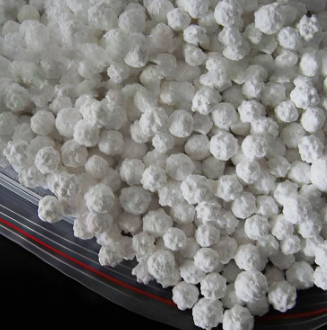
How to Achieve High Purity?
Our high-purity calcium chloride granules achieve a purity of up to 94%, far exceeding the industry average. This high purity is not accidental, but stems from strict control throughout the entire process, from raw materials to quality control.
- Raw Material Selection: We use only first-grade natural brine (salinity ≥ 30°Be), laying a solid foundation for producing high-purity products. Each batch of raw materials undergoes sampling and testing; substandard brine is directly discarded, preventing the introduction of impurities at the source.
- Multiple Refining and Purification Processes: Compared to the industry’s common 2-3 purification processes, we employ a “five-stage countercurrent washing + membrane separation purification” technology. This effectively removes harmful impurities such as magnesium ions and sulfate ions from the brine, increasing the purity of calcium chloride to over 90% and reducing impurity content to one-fifth of the industry average.
- Precise Process Control: The production process utilizes a DCS automated control system to precisely control reaction temperature, pressure, and time, ensuring that each reaction stage is in optimal condition and avoiding purity fluctuations caused by human error. Batch-to-batch purity variation is controlled within 0.5%.
- Strict Quality Control and Inspection: A three-tiered quality control system has been established: raw material inspection, in-process sampling inspection, and finished product full inspection. Before leaving the factory, finished products must undergo 18 tests, including atomic absorption spectrometry and ion chromatography. Only products that meet high-purity standards in all indicators can enter the market.
Production Process Flow
Our high-purity calcium chloride granules utilize a closed-loop production process and fully comply with the ISO9001-2008 quality management system. Each step is strictly controlled to ensure stable and reliable product quality.
Step 1: Raw Material Pretreatment: Selected natural brine is introduced into a sedimentation tank for preliminary sedimentation to remove large particles such as sand and silt. Subsequently, it undergoes fine filtration through a filtration system to obtain pure brine.
Step 2: Chemical Refining: A customized purifying agent is added to the raw brine to remove impurities such as magnesium and sulfate through a chemical reaction. After five countercurrent washing processes, the purity of the brine is further improved. At this point, the calcium chloride content has reached over 90%.
Step 3: Evaporation and Concentration: The purified brine is introduced into a vacuum evaporator, where water is evaporated under low temperature and low pressure to obtain a high-concentration calcium chloride solution. This step avoids compositional changes caused by high temperatures, ensuring product performance stability.
Step 4: Crystallization and Granulation: The concentrated solution is introduced into a crystallizer and cooled to crystallize into anhydrous calcium chloride solid. Then, it is processed into uniform granules using precision granulation equipment. Particle size can be customized according to customer requirements, such as 2-3mm and 3-5mm.
Step 5: Drying and Packaging: The granules are dried at low temperature to remove residual moisture. Then, they are screened through a sieving system to ensure uniform particle size. Finally, double-layer sealed packaging is used to effectively prevent moisture absorption and deliquescence, ensuring stable quality during transportation and storage.
Where can I buy high-purity calcium chloride granules?
If you are looking for a calcium chloride supplier, please contact us! Xincheng Zengyu Company not only provides you with high-quality products but also offers comprehensive professional services. If you need to purchase high-purity calcium chloride granules or want to know product prices, specifications, samples, etc., please feel free to contact us! We have a professional technical team that can provide you with technical support such as product application guidance and process improvement suggestions to help you maximize the value of your products.